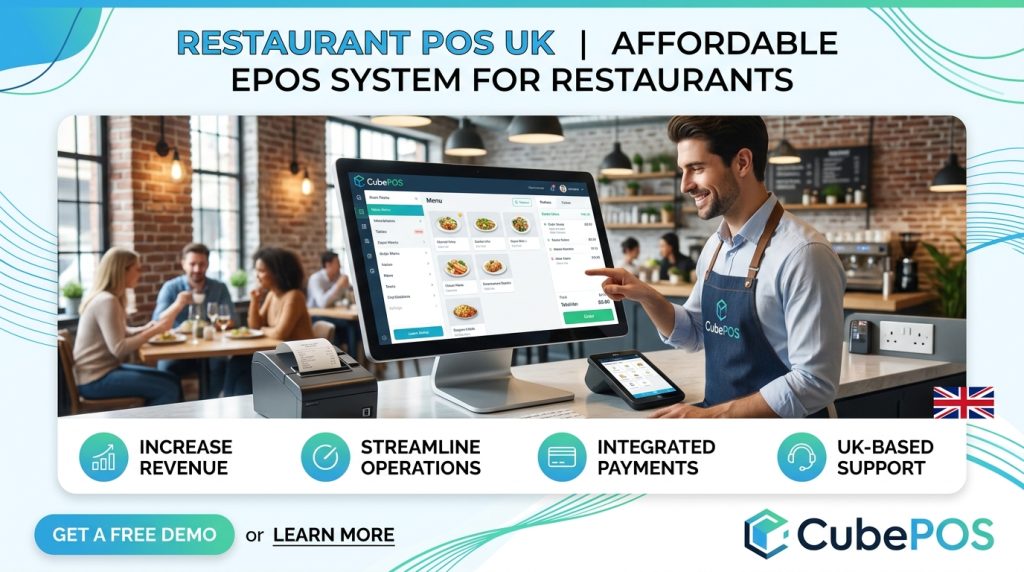
The hospitality landscape in the United Kingdom has shifted dramatically over the last few years. As we move through 2026, the local coffee shop and the high-end city restaurant share a common goal: maximizing operational efficiency while maintaining a personal touch. In an era where speed and accuracy are non-negotiable for consumers, the right digital infrastructure has become the backbone of every successful hospitality venture.
Revolutionizing the Midlands Coffee Scene
Birmingham has solidified its reputation as a premier destination for independent roasteries and specialty cafes. For owners in the Midlands, the morning rush represents the most critical window of the day. To handle high volumes without compromising quality, many are turning to a dedicated Cafe POS system Birmingham to streamline their workflows.
Modern systems designed for cafes go far beyond simple transaction processing. They allow baristas to manage complex drink modifications—such as oat milk substitutions or extra espresso shots—with a single tap, ensuring the kitchen receives clear, error-free instructions. Furthermore, integrated inventory tracking allows owners to monitor milk and bean usage in real-time. This data-driven approach prevents the dreaded “out of stock” scenario during peak weekend hours, ensuring that the local community always gets their favorite brew.
Mastering the Competitive London Market
Further south, the capital continues to be one of the most competitive culinary environments in the world. London diners expect a frictionless experience, from the moment they are seated to the final payment. For metropolitan establishments, implementing a high-performance Restaurant EPOS London is essential for managing the sheer complexity of city dining.
In a fast-paced London eatery, the synchronization between the front-of-house and the kitchen must be instantaneous. Advanced systems allow for “table-side” ordering, where servers use handheld devices to send orders directly to the kitchen display screens. This reduces the time staff spend walking back and forth to a stationary till, allowing them to spend more time engaging with guests. Additionally, with the rise of diverse payment methods, from wearable tech to mobile wallets, having a flexible system ensures that the checkout process is as smooth as the meal itself.
Key Operational Advantages
The transition to professional digital systems offers several transformative benefits for UK hospitality leaders:
- Data Analytics: Access detailed reports on peak sales hours to optimize staff rotas and reduce unnecessary labor costs.
- Menu Engineering: Identify which dishes or drinks have the highest profit margins to make informed decisions about seasonal offerings.
- Customer Loyalty: Move away from paper cards and integrate digital rewards programs that encourage repeat visits.
- Cloud Connectivity: Securely monitor business performance and inventory levels from any location via a smartphone or tablet.
Building a Foundation for Growth
As the hospitality industry continues to evolve, the businesses that thrive will be those that embrace technology as a tool for empowerment. By automating the repetitive administrative tasks of running a cafe or restaurant, owners can refocus their energy on culinary creativity and guest satisfaction. Investing in a robust digital foundation is no longer just an upgrade—it is a strategic move to ensure long-term resilience and profitability in an ever-changing market.