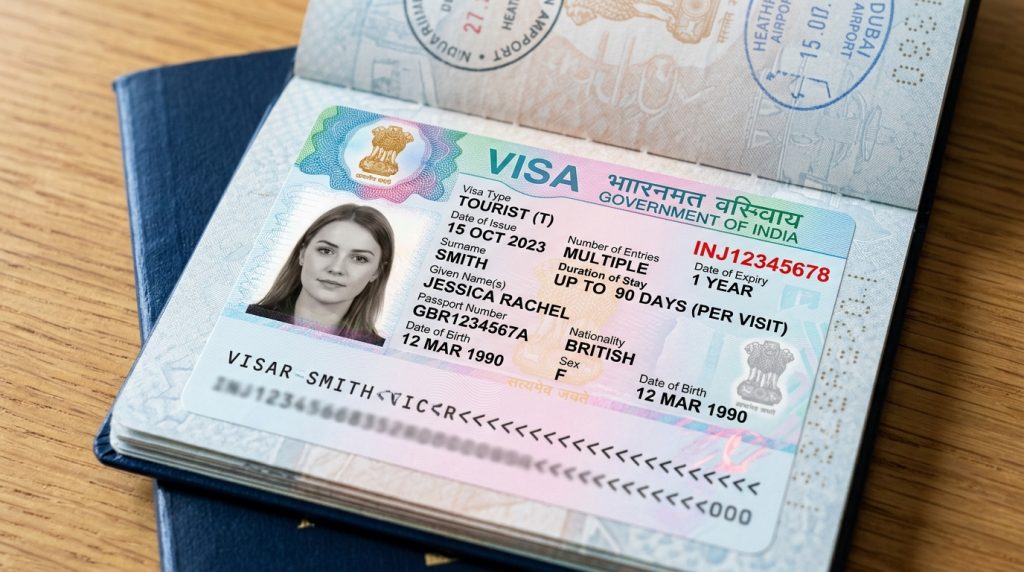
India is a land of staggering diversity, offering everything from the snow-capped peaks of the Himalayas to the tranquil backwaters of Kerala. For international travelers, exploring this vibrant country has never been easier, thanks to the introduction of the electronic visa (e-Visa) system. This digital authorization has completely modernized travel by eliminating the need to visit an embassy or wait weeks for passport processing. Understanding the nuances of the e-Visa application ensures a smooth transition from planning your itinerary to stepping off the plane.
Understanding the Indian e-Visa Framework
The electronic visa system is designed for short-term stays encompassing tourism, business, medical treatment, and structural conferences. The entire process is conducted online, meaning travelers can apply from the comfort of their homes.
Before diving into the paperwork, it is vital to know that eligibility criteria can vary slightly depending on your nationality. For instance, travelers from the African continent have specific portals to verify entry requirements. If you are preparing for a journey from Johannesburg or Cape Town, reviewing the specific guidelines for the Indian Visa for SOUTH AFRICAN Citizens will help you understand the precise documentation needed for your passport type.
Generally, the e-Visa is issued for durations ranging from 30 days to 5 years, allowing either single or multiple entries depending on the specific category selected. It is crucial to match your travel intent with the correct visa type to avoid complications at immigration checkpoints.
Required Documentation and Prerequisites
To ensure a seamless online application, gathering your documents beforehand is highly recommended. The standard requirements for an Indian e-Visa include:
- A Valid Passport: Your passport must have at least six months of validity from the date of arrival in India and contain at least two blank pages for immigration stamps.
- Digital Passport Photo: A recent photograph with a white background, ensuring your face is clearly visible without shadows or headwear (unless for religious purposes).
- Passport Bio Page Scan: A clear, legible copy of the page containing your personal details and photo, usually in PDF format.
- Financial Proof & Itinerary: While not always strictly checked at the application stage, having proof of sufficient funds and a return ticket is necessary upon arrival.
European travelers must also adhere to standard document guidelines, though processing times can sometimes differ based on bilateral agreements. Travelers coming from central Europe should check their specific country paths; for example, securing an Indian Visa for SWISS Citizens involves uploading standard bio-data while ensuring the digital photograph perfectly meets the strict technical specifications required by the Indian government.
Step-by-Step Application Strategy
The online portal requires careful attention to detail. A single typo can lead to application delays or unexpected rejections.
First, navigate to the official visa portal and fill out the secure online application form. You will need to provide personal details, passport information, and details about your intended stay in India. Next, upload the scanned copy of your passport bio-page and your digital photograph according to the format limits.
Once the information is verified, you must pay the e-Visa fee using a valid debit or credit card. After submission, tracking your application status online is simple. Most electronic visas are processed within 3 to 5 business days, though applying at least a week before your departure date is a smart safeguard against seasonal backlogs.
Once approved, the Electronic Travel Authorization (ETA) will be sent to your email. You must print a physical copy of this document and carry it with you throughout your journey, as immigration officers will verify it alongside your passport when you land at designated Indian airports or seaports.