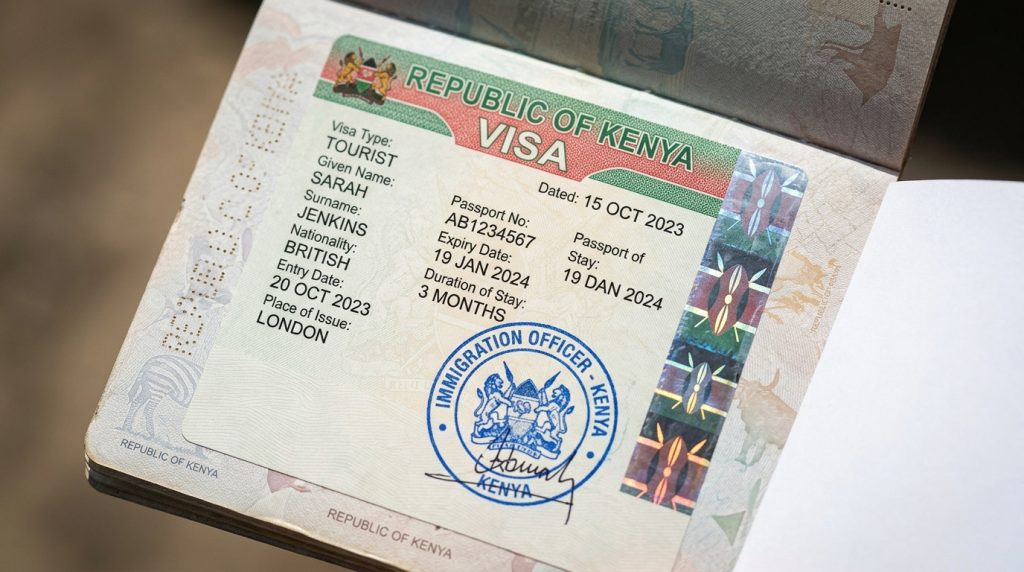
An international expedition to East Africa is a thrilling venture, promising unmatched encounters with diverse wildlife, dramatic geographical formations, and deep-rooted cultural heritage. However, orchestrating a smooth cross-border itinerary or a multi-country safari requires meticulous administrative preparation.
To ensure your journey remains free from operational friction, travelers must master two vital pillars of pre-travel planning: navigating regional entry instruments like the joint East African Tourist Visa and complying with strict medical entry mandates.
Streamlining Multi-Country Safaris with the EATV
For travelers whose African aspirations extend beyond a single border, exploring the continent shouldn’t mean drowning in repetitive visa applications. If your dream itinerary involves watching the river crossings of the Great Migration in the Masai Mara and trekking to see mountain gorillas in their mist-shrouded volcanic forests, standard single-country credentials can become logistically cumbersome and financially inefficient.
To foster seamless regional exploration, a unified travel framework was established. Reviewing a comprehensive OVERVIEW OF EAST AFRICAN TOURIST VISA EATV reveals how this joint initiative allows foreign non-residents to enter and move freely between Kenya, Uganda, and Rwanda using a single document. Valid for 90 consecutive days, this digital multi-entry visa eliminates duplicate border fees and significantly reduces administrative delays at overland checkpoints.
Critical Structural Rules of the EATV
- The First-Entry Mandate: You must submit your digital application directly to the immigration portal of the specific country where you will physically land first. An EATV issued by Rwanda will not be honored if your first port of entry is Nairobi.
- Territorial Limitations: The visa strictly covers the tri-country zone of Kenya, Uganda, and Rwanda. Other neighboring nations, such as Tanzania, are not included. Exiting the designated tri-country borders immediately voids the visa, even if you have days remaining on your 90-day counter.
- Strictly Non-Extendable: The regional visa cannot be renewed or extended past its initial 90-day window, and it strictly prohibits any form of localized employment, business, or volunteer work.
Vital Vaccine and Health Advice for Travel to Kenya
Stepping into the varied microclimates of East Africa—ranging from coastal tropical humidity to high-altitude savannah plains—exposes your immune system to unique environmental factors. Protecting your health begins weeks before your scheduled departure date.
Familiarizing yourself with the baseline VACCINE AND HEALTH ADVICE FOR TRAVEL TO KENYA ensures that your medical profile aligns with both legal border controls and practical safety measures. Speaking with a licensed travel medicine specialist at least four to six weeks before your flight leaves gives your body ample time to develop full antibody protection.
Mandatory vs. Recommended Health Checklist
| Health Measure | Category | Operational Details |
| Yellow Fever Vaccine | Mandatory / Required | Compulsory for all arrivals coming from or transiting through endemic countries. Must be administered at least 10 days before entry. |
| Hepatitis A & Typhoid | Highly Recommended | Protects against food-borne and water-borne pathogens; essential for all standard tourism routes. |
| Malaria Prophylaxis | Highly Recommended | Transmitted via mosquitoes; pill-form preventative regimes are critical for safaris in the Masai Mara and coastal zones. |
| Polio Booster | Recommended | A single adult booster is advised due to global health tracking and shifting regional risk profiles. |
Safe Practices on the Ground
Beyond your immunizations, protecting your health during a safari relies on day-to-day mindfulness. Always consume bottled or strictly purified water, and exercise caution with ice cubes or raw, unpeeled fruits in rural environments.
Because malaria and other insect-borne illnesses like dengue are prevalent in low-altitude regions, packing a reliable insect repellent containing DEET or Picaridin is non-negotiable. Wear long-sleeved, neutral-colored clothing during early morning and evening game drives when mosquito activity peaks to ensure your focus stays entirely on the spectacular landscapes around you.