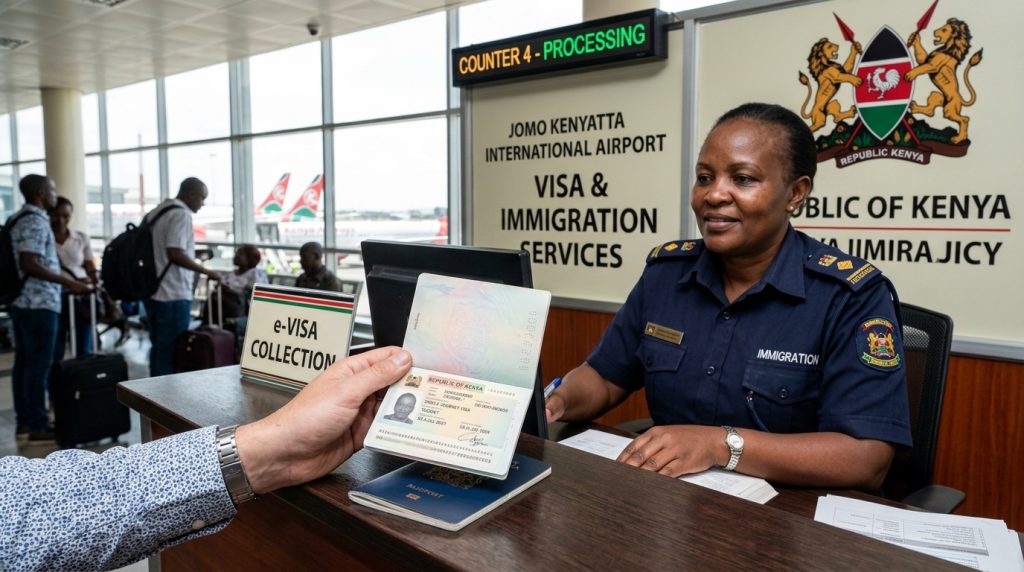
East Africa is a region of unparalleled natural wonder, offering iconic landscapes that stretch from the savannahs of Kenya to the dense primate-rich forests of Uganda and the rolling highland hills of Rwanda. For travelers looking to immerse themselves in a broader African adventure, modern travel systems have made crossing borders easier than ever. Understanding the administrative and health requirements before you depart is the key to ensuring your journey remains a seamless experience from start to finish.
The Power of the Regional Visa
For those planning an ambitious itinerary that spans multiple nations, the East African Tourist Visa is a transformative tool. It allows you to explore three of the region’s most famous destinations—Kenya, Uganda, and Rwanda—under a single, unified travel permit. This initiative is designed to reduce the friction of international travel, replacing the need for separate, expensive visas for each border crossing. To better understand how this permit works and whether it suits your specific safari goals, you can review a comprehensive OVERVIEW OF EAST AFRICAN TOURIST VISA EATV to help you decide if it fits your travel plans.
The EATV is valid for 90 days and allows for multiple entries within the three-country zone. A vital rule for 2026 is the “First Entry Requirement”: you must apply for the visa through the immigration portal of the country where you will first land. Once approved, this single document covers your movement between these nations, provided you do not exit the designated tri-country zone during your visit.
Prioritizing Your Well-being
Beyond securing your travel documents, your physical preparation is just as essential for a successful safari. Africa is a diverse continent, and maintaining your health is paramount to enjoying everything from the Great Migration to gorilla trekking. It is standard practice to consult with a medical professional at least four to six weeks before your flight to discuss necessary immunizations and preventative care. For detailed guidance on preparing your medical kit and staying protected, it is highly recommended to seek professional VACCINE AND HEALTH ADVICE FOR TRAVEL TO KENYA before you embark on your adventure.
When preparing for your trip, consider these health priorities:
- Routine Vaccinations: Ensure your standard immunizations, such as Tdap (tetanus, diphtheria, and pertussis), measles, and polio, are up to date.
- Yellow Fever: A vaccination certificate is mandatory if you are arriving from a country with a risk of yellow fever transmission. Even if not strictly required for your specific route, many travelers choose to get vaccinated for the lifelong protection it provides.
- Food and Water Hygiene: Practice safe consumption habits by drinking bottled or boiled water and choosing reputable dining establishments to prevent common travel-related illnesses.
- Mosquito Protection: In areas where malaria is present, your doctor may recommend antimalarial medication. Regardless of the region, using high-quality insect repellent and wearing long-sleeved clothing during dawn and dusk are effective strategies to prevent bites.
By combining the administrative efficiency of the regional visa with proactive health planning, you set the stage for an unforgettable experience. Whether you are tracking endangered mountain gorillas in the mist or witnessing the golden sunrise over the Maasai Mara, being prepared allows you to focus entirely on the beauty of East Africa.