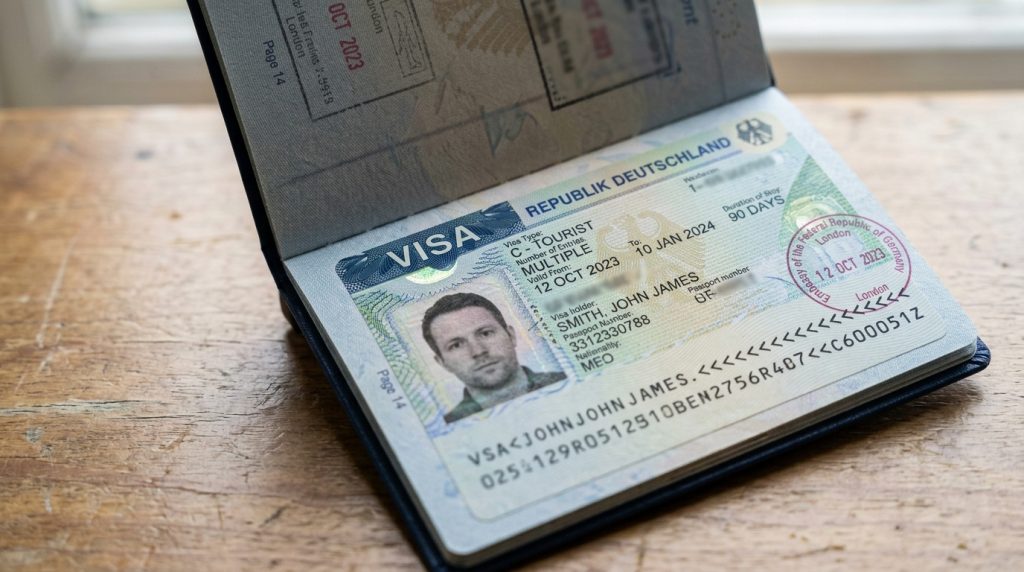
International travel often involves connecting flights through major hubs in North America. Whether you are touching down in New York before heading to South America or stopping in Toronto on your way to Europe, understanding the entry requirements for transit is essential. Many travelers are surprised to learn that even if they never intend to leave the airport, they may still require specific legal authorization to pass through customs and immigration.
The Necessity of a Transit Permit for the United States
The United States does not have a “sterile transit” zone in its airports. This means that every passenger arriving on a flight from abroad must clear U.S. Customs and Border Protection (CBP) processing, even if their next flight departs from the same terminal just a few hours later. For citizens of countries participating in the Visa Waiver Program, this requirement is usually met through an Electronic System for Travel Authorization (ESTA).
While many associate the ESTA with vacations or business trips, there is a specific designation for those passing through. Learning USA TRANSIT VISA protocols is vital for a smooth connection. During the application, you must indicate that your stay is “in transit” and your destination is a third country. This authorization is electronically linked to your passport, allowing for a seamless transition through the terminal and onto your international connection.
Digital Entry Systems in Canada
Similar to its southern neighbor, Canada has modernized its entry requirements. Most visa-exempt travelers flying to or transiting through a Canadian airport need an Electronic Travel Authorization (eTA). The process is designed to be efficient, often providing a response within minutes, but it requires careful attention to detail regarding passport numbers and personal history.
For those who do not qualify for an eTA, the process involves a more traditional route. Completing an ONLINE CANADA VISA APPLICATION is the standard procedure for travelers from non-exempt countries. This digital portal allows you to submit necessary documentation, pay fees, and track the status of your request. It is always best to start this process several weeks in advance of your trip to account for processing times and any additional information the consulate may request.
Tips for a Stress-Free Connection
To ensure your journey remains on schedule, keep the following tips in mind:
- Check Validity Early: Ensure your passport has at least six months of validity remaining beyond your date of travel.
- Print Your Confirmations: While these authorizations are digital, having a physical or offline digital copy of your approval number can be helpful if there are technical issues at the check-in desk.
- Allow Ample Connection Time: Because you must clear immigration and security again during North American transit, a minimum of three hours is often recommended between flights.
By staying informed and securing the correct documentation before you arrive at the airport, you can navigate the complexities of international transit with confidence. Proper preparation ensures that your layover remains a brief pause in a successful journey rather than a logistical hurdle.