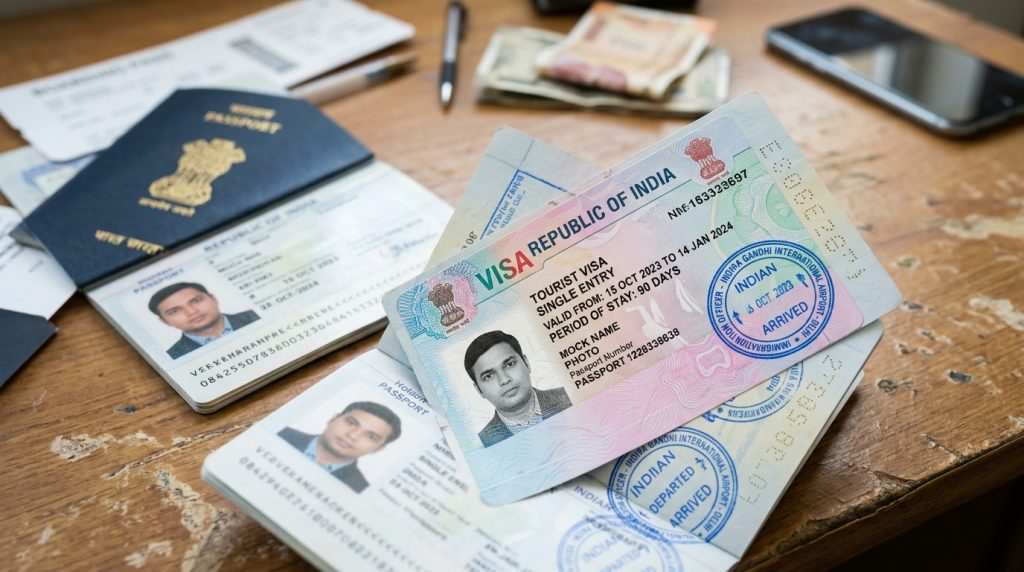
India is a destination that captures the imagination like no other. From the architectural grandeur of the Taj Mahal to the serene backwaters of Kerala, the country offers a unique blend of ancient heritage and rapid modernization. To support its growing status as a global hub for tourism, business, and spiritual pilgrimage, the Indian government has revolutionized its entry processes. The transition from traditional, paper-based applications to a sophisticated electronic visa (e-Visa) system has made the subcontinent more accessible to international travelers than ever before.
The Evolution of Global Connectivity
The introduction of the e-Visa has been a cornerstone of India’s modern tourism strategy. By allowing travelers from over 160 countries to apply online, the government has significantly reduced the administrative burden on both consulates and visitors. Whether you are traveling for a yoga retreat in Rishikesh, a high-stakes business meeting in Bengaluru, or specialized medical treatment, the digital portal provides a streamlined path to authorization.
This digital transformation has been particularly beneficial for travelers from Southeast Asia. For those departing from Jakarta, Surabaya, or Bali, the application process is now remarkably efficient. Obtaining an INDIAN VISA FOR INDONESIAN CITIZENS is a straightforward online task, often resulting in approval within just a few business days. This ease of access has sparked a resurgence in cultural exchange and tourism between the two nations, allowing visitors to explore shared historical and religious ties with minimal friction.
Expanding Reach to North Africa
India’s commitment to global tourism extends far beyond its immediate neighbors. The Kingdom’s diplomatic and cultural reach has expanded significantly into North Africa, fostering new opportunities for trade and travel. This inclusivity ensures that individuals from diverse geographical backgrounds can experience the legendary hospitality of the Arabian Sea’s neighboring giant.
For travelers starting their journey from cities like Casablanca, Rabat, or Marrakesh, the path to India has been equally simplified. Applying for an INDIAN VISA FROM MOROCCO through the official electronic channels ensures that travelers can secure their permits without the need for physical embassy visits. This modernization is a vital part of India’s effort to become a top-tier destination for global explorers seeking a mix of luxury and authenticity.
Professional Tips for a Seamless Experience
To ensure your visit to the vibrant landscapes of India is as productive and peaceful as possible, consider these logistical strategies:
- Document Readiness: Always carry a printed copy of your Electronic Travel Authorization (ETA) alongside your physical passport, which must have at least six months of validity and two blank pages.
- Cultural Intelligence: India is a land of deep-rooted traditions. Dressing modestly, especially when visiting religious sites like temples or mosques, is a sign of respect that is warmly appreciated.
- Digital Integration: Purchase a local eSIM upon arrival at major hubs like Delhi or Mumbai to easily access navigation and ride-sharing apps, which are indispensable in bustling metros.
- Seasonal Planning: The ideal time to visit most of India is during the cooler months from October to March, providing perfect weather for outdoor exploration and desert safaris.
By leveraging the efficiency of the modern e-Visa system and preparing in advance, travelers can focus on what truly matters: immersing themselves in the breathtaking diversity of the Indian subcontinent.