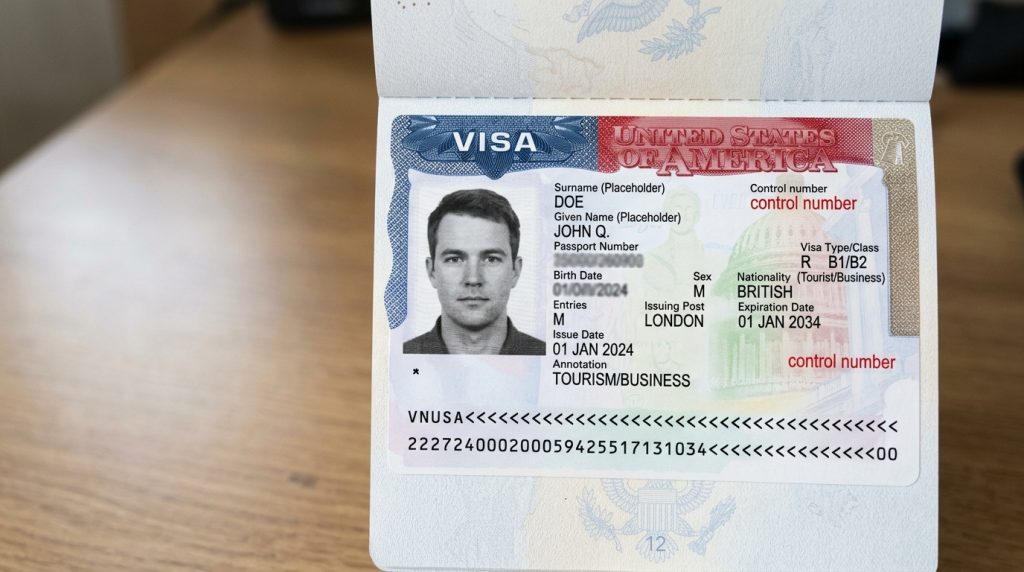
The United States remains one of the world’s most visited countries, attracting millions of people annually for tourism, business, and cultural exchange. However, before you can stand in awe of the Grand Canyon or navigate the bustling streets of Manhattan, you must navigate the essential administrative steps of entry. Depending on your nationality and the purpose of your visit, this process typically involves either a traditional visa or an electronic authorization.
The Efficiency of the ESTA Program
For citizens of countries participating in the Visa Waiver Program (VWP), the entry process is significantly streamlined through the Electronic System for Travel Authorization (ESTA). This automated system determines the eligibility of visitors to travel to the U.S. under the VWP for stays of up to 90 days. It is designed to enhance security while making the application experience faster and more accessible than a standard visa interview.
When preparing for your trip, knowing HOW TO APPLY ESTA VISA is the first hurdle. The application is entirely web-based and requires travelers to provide biographical information and answers to several VWP eligibility questions. Ideally, you should submit your application at least 72 hours before your flight to account for any processing delays. Once approved, the authorization is generally valid for two years or until your passport expires, whichever comes first.
Preparing for the Application Process
Whether you are applying for an ESTA or a formal non-immigrant visa (such as a B1/B2), accuracy is the most critical factor. The U.S. government utilizes rigorous screening processes, and even a small typo in a passport number or a birth date can lead to boarding denials or lengthy delays at the border.
If your situation requires a full visa—perhaps because your country is not part of the VWP or you intend to stay longer than 90 days—the documentation becomes more intensive. It is helpful to review AMERICAN VISA FORM QUESTIONS beforehand to ensure you have all the necessary data at your fingertips. These forms often delve into your employment history, travel background, and security-related queries. Being prepared with these details allows you to complete the paperwork efficiently and reduces the likelihood of errors that could trigger an administrative review.
Final Steps for a Successful Entry
Beyond the paperwork, modern travelers should keep a few practical tips in mind for 2026:
- Digital Documentation: While your authorization is linked to your passport electronically, keeping a digital copy or a screenshot on your mobile device can be a lifesaver during check-in.
- Passport Health: Ensure your passport has at least six months of validity remaining from your planned date of departure from the U.S.
- Travel Insurance: While not a legal requirement for entry, comprehensive medical insurance is highly recommended given the high costs of healthcare in the United States.
By handling these digital requirements early, you can shift your focus from bureaucracy to the excitement of your upcoming journey. Whether it is for a high-stakes business meeting or a long-awaited family vacation, the right preparation ensures your arrival is as smooth as possible.